
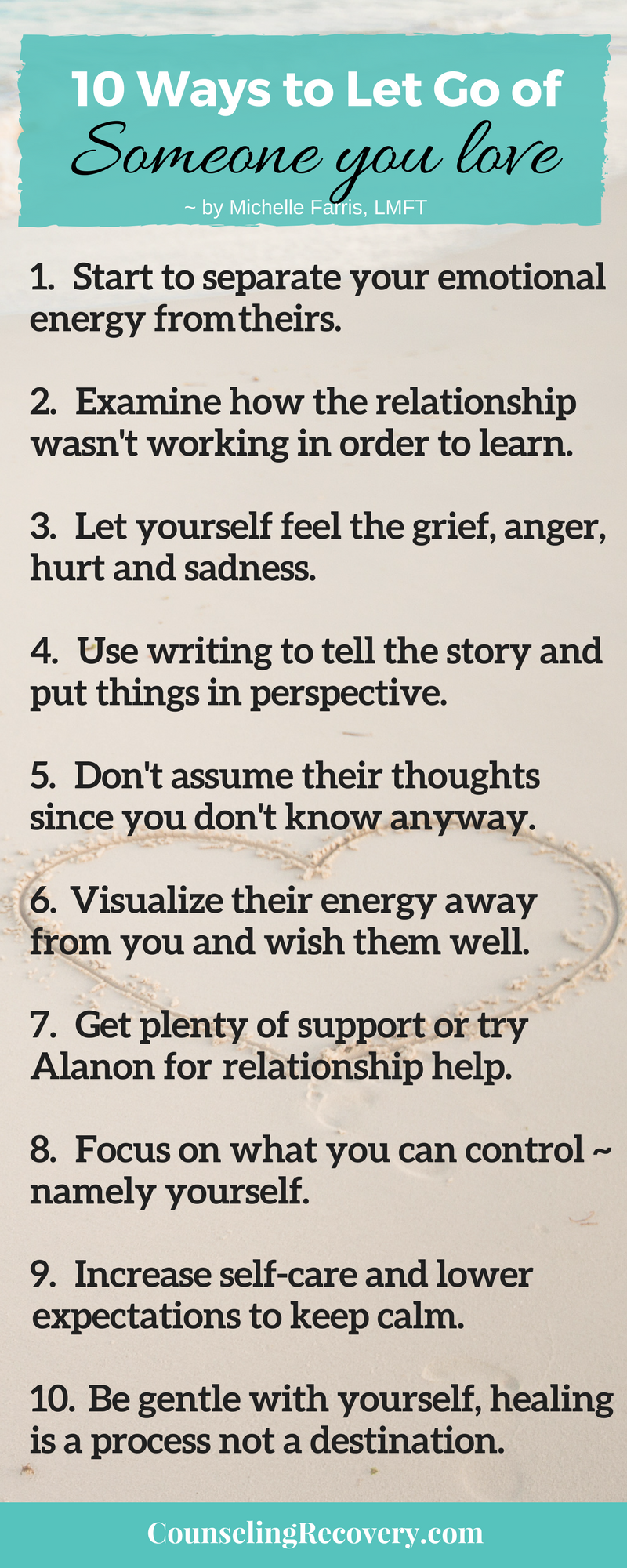
The Art of Letting Go of Someone You Love: A Healing Guide
The human heart is a complex and delicate organ, capable of immense love and profound sorrow. When the bonds of love break, the pain can be overwhelming, leaving us feeling lost, empty, and utterly heartbroken. Letting go of someone we love, especially when the circumstances are beyond our control, can feel like an insurmountable task. Yet, healing and finding peace are possible, even in the face of immense grief. This guide explores the multifaceted process of letting go, providing practical insights and tools to navigate the journey towards emotional recovery.
Understanding the Process of Letting Go
Letting go is not about forgetting or erasing the love you shared. It's about accepting the reality of the situation and finding a way to move forward. It's a gradual process, often punctuated by moments of intense emotion and periods of quiet reflection.
The Stages of Grief
The five stages of grief, popularized by Elisabeth Kübler-Ross, provide a framework for understanding the emotional rollercoaster of loss:
- Denial: An initial state of shock and disbelief, refusing to accept the reality of the loss.
- Anger: A surge of intense anger and frustration directed at oneself, the deceased, or the circumstances surrounding the loss.
- Bargaining: An attempt to make deals with a higher power or fate, often with the hope of reversing the loss.
- Depression: A period of deep sadness, emptiness, and despair.
- Acceptance: A gradual understanding and acceptance of the loss, leading to a sense of peace.
It's important to note that these stages are not necessarily linear, and individuals may experience them in different orders or even revisit certain stages multiple times. The process of grief is unique to each individual and can take time.
Practical Steps to Letting Go
While emotional healing takes time, there are proactive steps you can take to facilitate the process of letting go.
Acknowledge and Validate Your Feelings
Suppressing or ignoring your emotions will only prolong the healing process. Allow yourself to feel the pain, sadness, anger, and any other emotions that arise. Acknowledge their presence and validate their legitimacy. Journaling, talking to a trusted friend or therapist, or engaging in creative expression can be helpful ways to process your emotions.
Focus on Self-Care
When you are grieving, self-care is paramount. Prioritize your physical and emotional well-being. Get enough sleep, eat nourishing foods, engage in physical activity, and spend time in nature. These activities can help regulate your mood, reduce stress, and promote healing.
Challenge Negative Thought Patterns
Grief can often lead to negative self-talk and distorted thoughts. When you notice yourself dwelling on negative thoughts, gently challenge them. Ask yourself if there's evidence to support these thoughts and try to reframe them in a more positive light.
Set Boundaries
Maintaining healthy boundaries is essential during the healing process. This means setting limits on contact with the person you are letting go of, especially if the relationship is no longer serving you. It may also involve limiting exposure to reminders of the past, such as social media or shared spaces.
Seek Support
Surrounding yourself with supportive individuals can significantly impact your healing journey. Connect with loved ones, join support groups, or seek professional help from a therapist or counselor. Sharing your experiences and seeking guidance can provide solace and valuable insights.
Practice Gratitude
Despite the pain of letting go, focusing on gratitude can shift your perspective and foster healing. Reflect on the positive aspects of your life, the lessons learned from the relationship, and the strength you have gained through this difficult experience. Gratitude can help you appreciate the present moment and embrace hope for the future.
Remembering and Honoring the Past
Letting go does not equate to forgetting. It's essential to acknowledge and honor the love and memories you shared. Find healthy ways to remember and celebrate the positive aspects of your relationship.
Create a Memorial
A physical memorial can serve as a tangible reminder of your loved one's presence in your life. This could involve creating a scrapbook, planting a tree, or writing a letter expressing your feelings.
Share Stories and Memories
Talking about your loved one with friends, family, or in a support group can help keep their memory alive and offer solace. Sharing stories and laughter can transform sadness into a celebration of their life.
Embrace Forgiveness
Forgiveness is a powerful tool for healing, even when it involves forgiving yourself or the other person. Holding onto resentment only perpetuates pain. Forgiving yourself for past mistakes or forgiving the other person for their actions can free you from the burdens of bitterness and pave the way for emotional peace.
Embracing a New Beginning
Letting go is not just about ending a relationship but about opening yourself up to new possibilities. It's a journey towards self-discovery, growth, and a renewed sense of purpose.
Rediscover Your Passions
Reconnect with your hobbies, interests, and passions that were put on hold during the relationship. Rekindle your sense of self and find joy in the things that bring you fulfillment.
Embrace New Experiences
Stepping outside of your comfort zone and trying new things can bring fresh perspectives and a renewed sense of excitement. Explore new activities, travel to new places, and connect with new people. Embrace the unknown and allow yourself to grow and evolve.
Cultivate Hope for the Future
Letting go doesn't mean giving up on love or happiness. It's about learning from the past and embracing the potential for a brighter future. Hold onto the hope that you will find joy and love again, even if it's in a different form than you expected.
Conclusion
Letting go of someone you love is a complex and challenging process. It requires time, patience, and compassion. But remember, you are not alone in your journey. Embrace support, practice self-care, and allow yourself to heal at your own pace. Through the pain of letting go, you can emerge stronger, more resilient, and ready to embrace a new chapter in your life.
No comments:
Post a Comment